


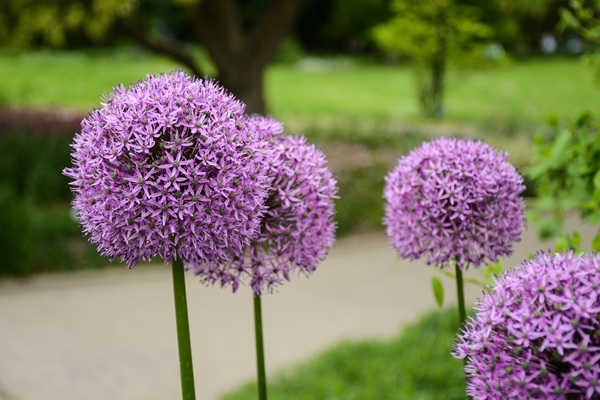
Allium christophii is a showstopper in any garden, producing extra-large, 8–10" globes composed of hundreds of star-shaped florets—the widest of all alliums. These stunning blooms dry beautifully right in the garden, transforming into intricate, architectural seed heads that provide structure for months. Loved by bees and beneficial insects, they’re perfect for pollinator-friendly plantings, and their strong, sculptural form makes them ideal for cut flowers or dried arrangements. Plus, once established, christophii is tolerant of heat, drought, and poor soil, making it an easy, reliable choice for gardeners seeking lasting impact and effortless beauty.
Allium christophii, also known as the Star of Persia, is native to Turkey, Iran, and Central Asia. It was introduced to European gardens in the 1800s and quickly became prized for its enormous, starburst-shaped flower heads. Its striking metallic sheen and long-lasting seed structure made it a favorite among Victorian collectors and modern ornamental gardeners alike.
Blooms: The Allium christophii has broad, strap-like gray-green foliage that emerges in spring. Like many ornamental alliums, the leaves begin to yellow and die back around the time the flower globe reaches peak bloom, which is completely normal. Many gardeners plant christophii among perennials so the surrounding plants can cover the fading foliage while the spectacular bloom remains the star. Around late May or early June, a large (think volleyball) flower will appear from each bulb for about 1-2 weeks. The lavender blooms sit atop a naked stem with almost no foliage.
After Blooming:
Fading Foliage: The leaves continue to yellow and die back completely. This is normal and signals the plant is storing energy in its bulb for next year.
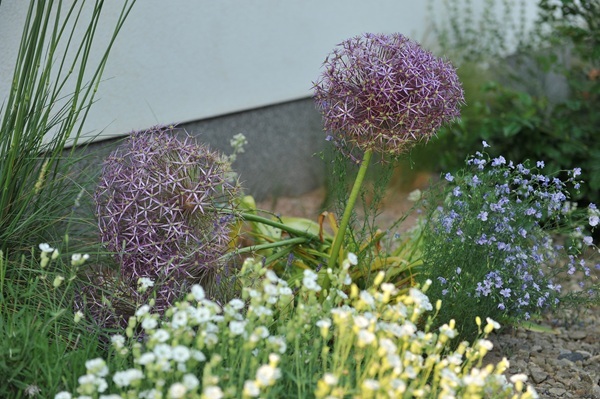
Seed Heads: The flower globes dry on the stem into architectural, starburst seed heads that can last for several weeks or even months, adding interest to the garden well after the flowers fade.
Maintenance: You can leave the seed heads for visual appeal or harvest them for dried arrangements. Once the foliage is fully brown, it can be cut back to tidy the bed.
Dormancy: The bulb remains dormant underground during summer, storing energy for the next spring bloom.
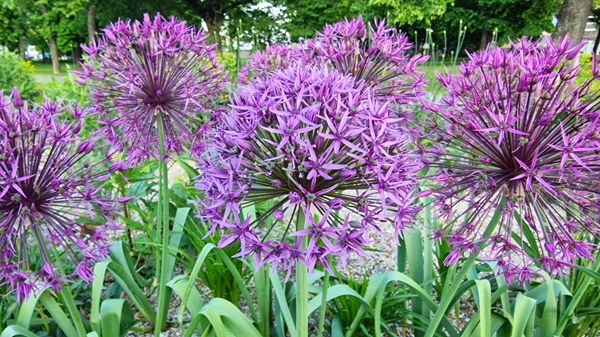
Pots: These bulbs work great when planted in pots. The 'Star of Persia' is certainly the THRILLER of a potted plant grouping because of the bloom's uniqueness, or you can simply put a couple in a pot and enjoy the show of lavender in early summer. They produce better blooms when they are not disturbed very often. Consider getting a pot (or several) so that the bulbs can live happily without disturbance for several years. Consider placing the pots under or near trees during the summer(read below about light). Consider mixing potting soil with some sand to provide a little extra drainage which will benefit the bulb. During the winter, move the pot indoors and have it as a houseplant during the winter. Since it likes the humidity, mist the plants and keep it away from cold windows and drafts.
Plant: Depth: Plant bulbs 2-3 times as deep as the bulb’s height. Typically, 4–6 inches (10–15 cm) deep. Spacing: Leave 6–8 inches (15–20 cm) between bulbs to allow room for growth. You can plant them here and there for interest or plant several together impact. Place the bulb with the pointy end up. Cover with soil and gently pat down. Then water lightly.
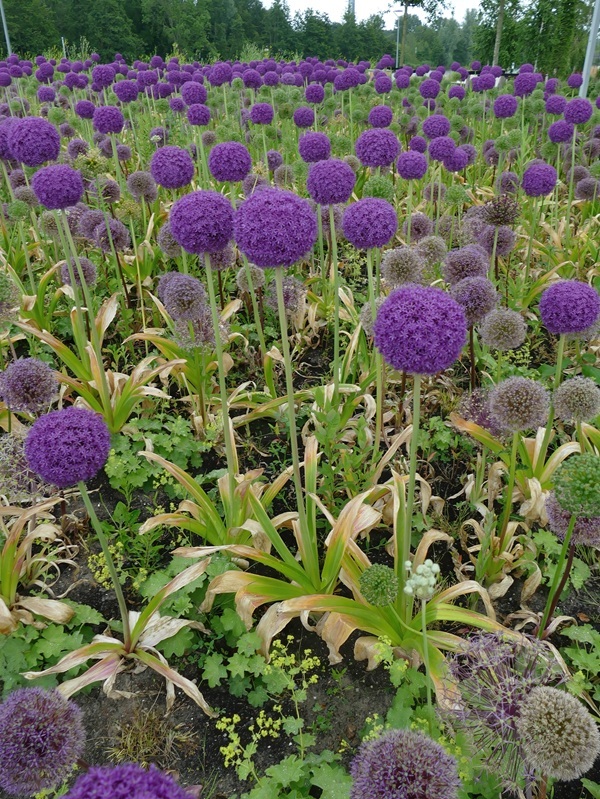
Water: If it is growing season and you plant them in the ground, they will perform best if they receive some good water at least once a week. Be sure not to overwater in the ground or in a pot. If you plant them in a pot, then make sure to water sparingly at first so as not to rot the bulb. Once the bulbs start to grow, though, increase the water so that they are well fed. Once the plant is ready to go dormant, water only enough to keep the bulbs from completely drying out (about 1/2 inch a week).
Soil: This plant does best if planted in well-drained soil.
Light: Allium christophii grows best in full sun, but it will tolerate light afternoon shade in hotter climates.
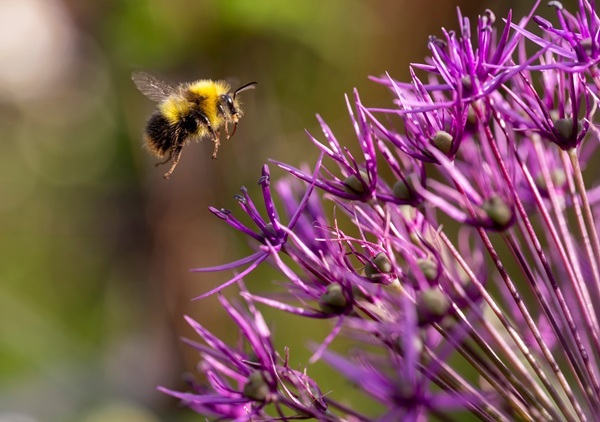
Animals: Butterflies, bees, and birds all enjoy these blooms.
Allium christophii is a showstopper in any garden, producing extra-large, 8–10" globes composed of hundreds of star-shaped florets—the widest of all alliums. These stunning blooms dry beautifully right in the garden, transforming into intricate, architectural seed heads that provide structure for months. Loved by bees and beneficial insects, they’re perfect for pollinator-friendly plantings, and their strong, sculptural form makes them ideal for cut flowers or dried arrangements. Plus, once established, christophii is tolerant of heat, drought, and poor soil, making it an easy, reliable choice for gardeners seeking lasting impact and effortless beauty.
Allium christophii, also known as the Star of Persia, is native to Turkey, Iran, and Central Asia. It was introduced to European gardens in the 1800s and quickly became prized for its enormous, starburst-shaped flower heads. Its striking metallic sheen and long-lasting seed structure made it a favorite among Victorian collectors and modern ornamental gardeners alike.
Blooms: The Allium christophii has broad, strap-like gray-green foliage that emerges in spring. Like many ornamental alliums, the leaves begin to yellow and die back around the time the flower globe reaches peak bloom, which is completely normal. Many gardeners plant christophii among perennials so the surrounding plants can cover the fading foliage while the spectacular bloom remains the star. Around late May or early June, a large (think volleyball) flower will appear from each bulb for about 1-2 weeks. The lavender blooms sit atop a naked stem with almost no foliage.
After Blooming:
Fading Foliage: The leaves continue to yellow and die back completely. This is normal and signals the plant is storing energy in its bulb for next year.
Seed Heads: The flower globes dry on the stem into architectural, starburst seed heads that can last for several weeks or even months, adding interest to the garden well after the flowers fade.
Maintenance: You can leave the seed heads for visual appeal or harvest them for dried arrangements. Once the foliage is fully brown, it can be cut back to tidy the bed.
Dormancy: The bulb remains dormant underground during summer, storing energy for the next spring bloom.
Pots: These bulbs work great when planted in pots. The 'Star of Persia' is certainly the THRILLER of a potted plant grouping because of the bloom's uniqueness, or you can simply put a couple in a pot and enjoy the show of lavender in early summer. They produce better blooms when they are not disturbed very often. Consider getting a pot (or several) so that the bulbs can live happily without disturbance for several years. Consider placing the pots under or near trees during the summer(read below about light). Consider mixing potting soil with some sand to provide a little extra drainage which will benefit the bulb. During the winter, move the pot indoors and have it as a houseplant during the winter. Since it likes the humidity, mist the plants and keep it away from cold windows and drafts.
Plant: Depth: Plant bulbs 2-3 times as deep as the bulb’s height. Typically, 4–6 inches (10–15 cm) deep. Spacing: Leave 6–8 inches (15–20 cm) between bulbs to allow room for growth. You can plant them here and there for interest or plant several together impact. Place the bulb with the pointy end up. Cover with soil and gently pat down. Then water lightly.
Water: If it is growing season and you plant them in the ground, they will perform best if they receive some good water at least once a week. Be sure not to overwater in the ground or in a pot. If you plant them in a pot, then make sure to water sparingly at first so as not to rot the bulb. Once the bulbs start to grow, though, increase the water so that they are well fed. Once the plant is ready to go dormant, water only enough to keep the bulbs from completely drying out (about 1/2 inch a week).
Soil: This plant does best if planted in well-drained soil.
Light: Allium christophii grows best in full sun, but it will tolerate light afternoon shade in hotter climates.
Animals: Butterflies, bees, and birds all enjoy these blooms.


