null Skip to main content

Lilium lancifolium 'Tiger Lily' - 2 bulbs

Scientific: Lilium lancifolium
Bulbs/Pack: 2 bulbs
Planting Time: When available but avoid hard freeze
Shipping Period: When Available
Bloom Period: June
Bloom Size: Softball Size Unfurled Trumpets
Zones: 5-9
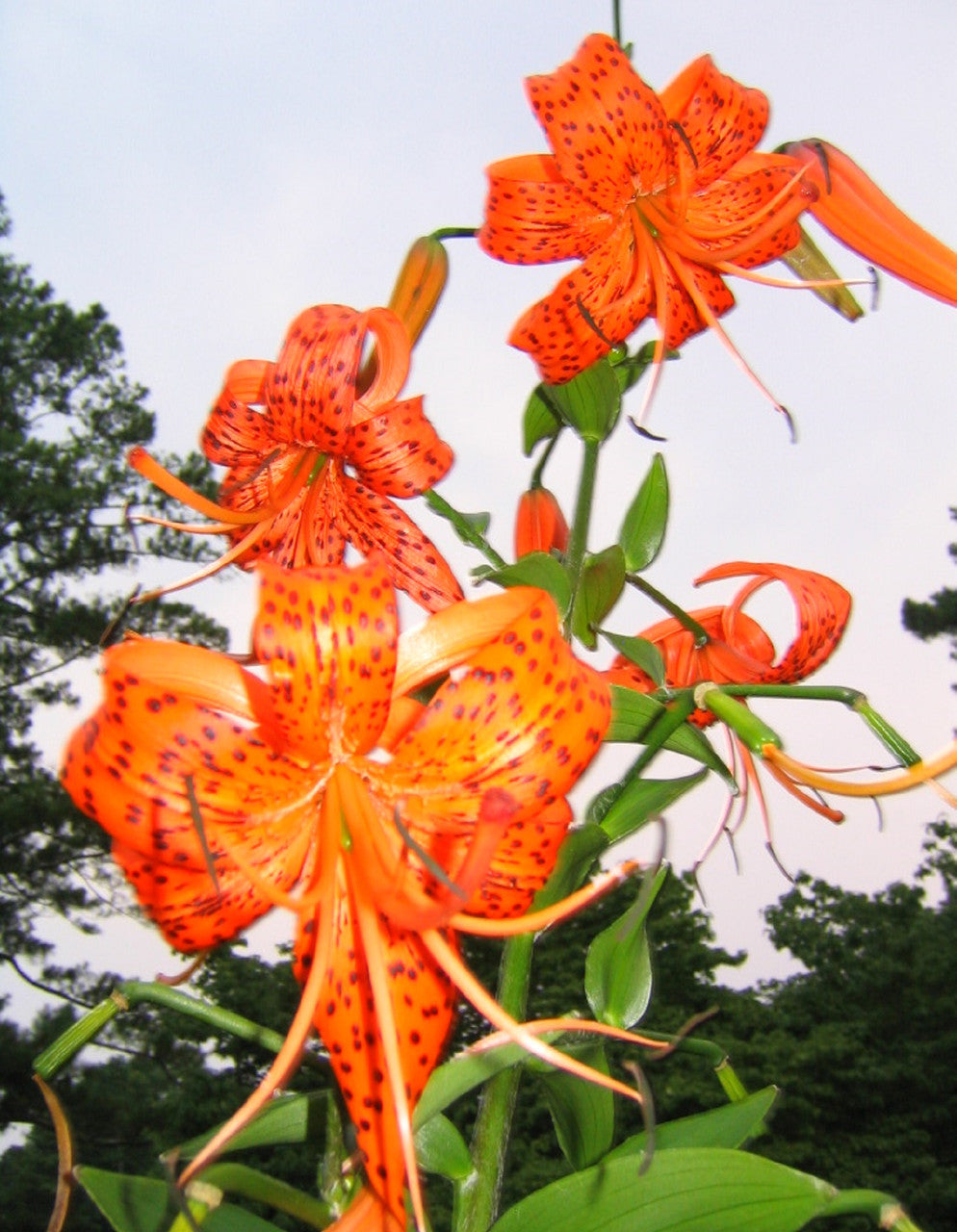
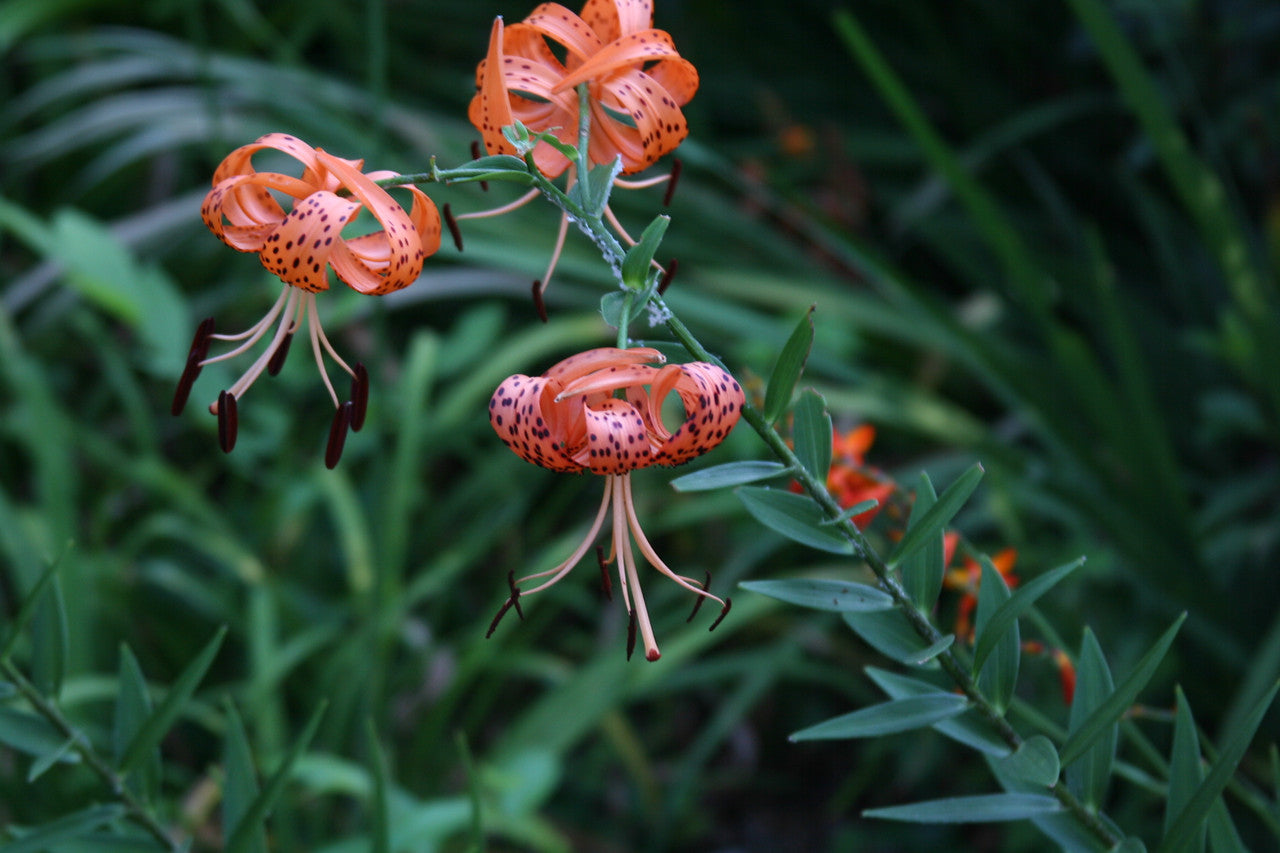
Color: Orange with black dots
Planting Depth: 2-3 times the height of bulb
Soil: Slightly acidic, amend clay soil, keep moist
Fragrance: None
Light: Partial Shade to Full Sun
Height: 3-4 feet
Wildlife: Wildlife will eat the flowers
Reliability: Reliable
$15.00

Discover the Charm of the Tiger Lily

The tiger lily (Lilium lancifolium), a beloved heirloom flower with origins in Asia, has found a home in gardens across the southern U.S. Its vibrant orange, spotted blooms add a touch of exotic beauty to any landscape.
2022-06-25-08.53.56.jpg

A Story of Sharing and Connection: The Tiger Lily's Journey

One stand I found was in northeast Texas. As I drove by, I saw tiger lilies surrounding every tree at this old home. I knocked on the door and an older lady and her physically fit, middle-aged son answered. I explained what we do at the Southern Bulb Company, and the son said he would gladly share the black bulbils, (the tiny bulbs from which you can eventually grow a full sized tiger lily plant).

The gentleman, who told me he had served our country in the Army's Special Forces, walked around with me and explained his unsuccessful experience in trying to save the bulbils. Apparently, he found, they do not like to be stacked and left in a coffee can in the garage. "You can't treat them like seeds," he told me. "They'll rot on ya!" I could tell that horticulture had become his passion, and I promised him I'd plant them right away. 

I thanked him, both for his military service and for his horticultural service.
tiger-lily-with-swallow-tail-carterpillar.jpg

Planting and Care for Your Tiger Lilies

Tiger lilies prefer a woodland setting with acidic soil and afternoon shade during their summer blooming season

Planting Time: Plant as soon as you receive the bulbs. If delayed, store them in the refrigerator.
Planting Location:
Choose a spot with about 8 hours of summer sun and well-drained soil. Don't plant during a hard freeze.

Planting Depth: Plant bulbs 2-3 times their height deep (e.g., a 2-inch bulb should be planted 4-5 inches deep).
Watering: Provide ample water as their foliage begins to appear in March and April.
2022-06-27-17.47.32.jpg

Tiger Lily Multiplication:  A Gardener's Delight

Once the blooms are coming to an end, knock off the bulbils and gently scratch them into the soil.  With rich organic soil and some moisture, you'll have a stand of Tiger Lilies in just a few years

Attracting Pollinators and Enhancing Your Garden

Tiger lilies are a magnet for pollinators like hummingbirds, bees, and butterflies, adding life and movement to your garden. Combine them with companion plants for year-round interest:

Companion Plants: Salvias, Lantanas, Plumbago, Phlox, Alyssum, Snapdragons, Pansies, Cyclamen, Paperwhites, Narcissus, Iris, Snowflakes, Rain Lilies, Crinums, and Hymenocallis.

Tiger Lily Hardiness and Growing Zones

Tiger lilies thrive in USDA hardiness zones 3-9, making them suitable for a wide range of climates.

Details

Discover the Charm of the Tiger Lily

The tiger lily (Lilium lancifolium), a beloved heirloom flower with origins in Asia, has found a home in gardens across the southern U.S. Its vibrant orange, spotted blooms add a touch of exotic beauty to any landscape.
2022-06-25-08.53.56.jpg

A Story of Sharing and Connection: The Tiger Lily's Journey

One stand I found was in northeast Texas. As I drove by, I saw tiger lilies surrounding every tree at this old home. I knocked on the door and an older lady and her physically fit, middle-aged son answered. I explained what we do at the Southern Bulb Company, and the son said he would gladly share the black bulbils, (the tiny bulbs from which you can eventually grow a full sized tiger lily plant).

The gentleman, who told me he had served our country in the Army's Special Forces, walked around with me and explained his unsuccessful experience in trying to save the bulbils. Apparently, he found, they do not like to be stacked and left in a coffee can in the garage. "You can't treat them like seeds," he told me. "They'll rot on ya!" I could tell that horticulture had become his passion, and I promised him I'd plant them right away. 

I thanked him, both for his military service and for his horticultural service.
tiger-lily-with-swallow-tail-carterpillar.jpg

Planting and Care for Your Tiger Lilies

Tiger lilies prefer a woodland setting with acidic soil and afternoon shade during their summer blooming season

Planting Time: Plant as soon as you receive the bulbs. If delayed, store them in the refrigerator.
Planting Location:
Choose a spot with about 8 hours of summer sun and well-drained soil. Don't plant during a hard freeze.

Planting Depth: Plant bulbs 2-3 times their height deep (e.g., a 2-inch bulb should be planted 4-5 inches deep).
Watering: Provide ample water as their foliage begins to appear in March and April.
2022-06-27-17.47.32.jpg

Tiger Lily Multiplication:  A Gardener's Delight

Once the blooms are coming to an end, knock off the bulbils and gently scratch them into the soil.  With rich organic soil and some moisture, you'll have a stand of Tiger Lilies in just a few years

Attracting Pollinators and Enhancing Your Garden

Tiger lilies are a magnet for pollinators like hummingbirds, bees, and butterflies, adding life and movement to your garden. Combine them with companion plants for year-round interest:

Companion Plants: Salvias, Lantanas, Plumbago, Phlox, Alyssum, Snapdragons, Pansies, Cyclamen, Paperwhites, Narcissus, Iris, Snowflakes, Rain Lilies, Crinums, and Hymenocallis.

Tiger Lily Hardiness and Growing Zones

Tiger lilies thrive in USDA hardiness zones 3-9, making them suitable for a wide range of climates.